
Fire Damper Testing: Protecting Lives, Property and Compliance
When it comes to fire safety within commercial buildings, fire dampers are often overlooked. Hidden away within ductwork systems, these critical passive fire protection devices play a vital role in preventing the spread of fire and smoke throughout a building, that is why fire damper testing is so important.
For Facilities Managers, Property Managers, Building Owners and Compliance Teams, ensuring fire dampers are regularly inspected and tested is not simply good practice – it is an essential part of maintaining a safe and compliant building, as legislated in HSE Fire Safety Guidance.
In this article, we explore what fire dampers are, why they are important, the risks of neglecting them, and how professional fire damper testing can help protect your building and its occupants.
What Are Fire Dampers?
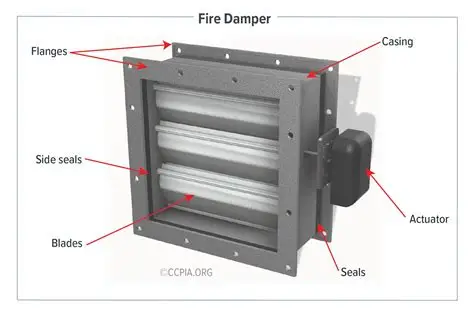
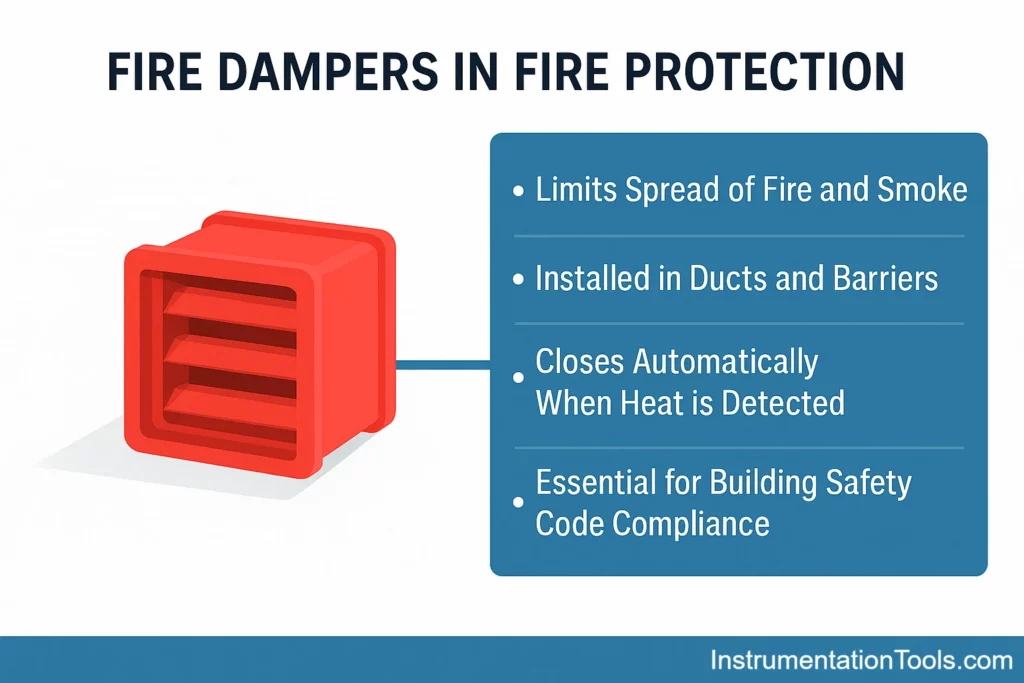
Fire dampers are mechanical devices installed within ventilation and air conditioning ductwork where ducts pass through fire compartment walls and floors.
Their purpose is simple but critical. In the event of a fire, the damper automatically closes, preventing flames, heat and smoke from travelling through the ductwork and spreading into other parts of the building, this also links closely with TR19 regulations.
Without properly functioning fire dampers, a ventilation system can quickly become a pathway for fire, allowing it to spread far beyond its point of origin. Fire dampers are therefore a key component of a building’s compartmentation strategy and overall fire protection system.
Why Is Fire Damper Testing Important?
Like any mechanical device, fire dampers can fail over time.
Common issues include:
- Corrosion and deterioration.
- Damaged or missing fusible links.
- Obstructions preventing closure.
- Incorrect installation.
- Dust and debris build-up.
- Damaged blades or mechanisms.
- Lack of maintenance following refurbishment works.
If a fire damper cannot fully close during a fire, it may fail to prevent the spread of fire and smoke through the building. This could significantly increase damage to property and put lives at risk, as shown in the BESA Guidance.
What Does UK Guidance Say?
UK fire safety legislation places responsibility on building owners and responsible persons to maintain fire safety systems.
Industry guidance recommends that fire dampers are inspected and tested annually by a competent person. Any defects identified should be recorded and rectified as soon as possible.
Testing typically involves:
- Locating each fire damper.
- Carrying out a visual inspection.
- Performing a drop test to confirm operation.
- Resetting the damper.
- Recording results.
- Identifying any remedial works required.
- Producing a detailed inspection report with photographic evidence.
Common Problems Found During Fire Damper Surveys
Many commercial buildings contain fire dampers that have not been inspected for years.
Typical issues identified during surveys include:
Inaccessible Dampers
Access panels may be missing, blocked or concealed behind building alterations, making inspection impossible.
Damaged Components
Blades, springs, fusible links and frames can become damaged over time.
Build-Up of Dirt and Debris
Dust and contamination within ductwork can prevent fire dampers from operating correctly.
Incorrect Installation
Unfortunately, it is not uncommon to find dampers that were installed incorrectly or do not meet current standards.
Missing Asset Registers
Many building owners are unaware of the exact number and location of fire dampers within their property.
Which Buildings Require Fire Damper Testing?
Fire dampers are commonly found in:
- Warehouses and distribution centres.
- Food production facilities.
- Manufacturing plants.
- Commercial offices.
- Retail parks and shopping centres.
- Hospitals and healthcare facilities.
- Schools and universities.
- Hotels and hospitality venues.
- Public buildings.
- Multi-occupancy commercial premises.
If your building contains ductwork that passes through fire-rated walls or floors, it is likely to contain fire dampers that require inspection and testing.
The Benefits of Regular Fire Damper Testing
Regular fire damper testing provides several important benefits:
Improved Life Safety
Ensures dampers will operate correctly during a fire, helping to protect building occupants.
Compliance Assurance
Demonstrates that fire safety systems are being maintained in accordance with recognised industry guidance.
Reduced Risk
Identifies defects before they become a serious safety issue.
Asset Management
Creates a detailed record of damper locations, conditions and maintenance requirements.
Peace of Mind
Provides confidence that a critical element of your building’s fire protection strategy is functioning correctly.
How ACC Commercial Cleaning Can Help
ACC Commercial Cleaning provides professional fire damper inspection and testing services across commercial, industrial and public sector buildings.
Our experienced team can:
- Locate and identify fire dampers.
- Carry out visual inspections.
- Perform operational drop testing.
- Produce detailed photographic reports.
- Record damper locations and asset information.
- Highlight non-compliant or defective dampers.
- Recommend remedial actions where required.
Whether you operate a warehouse, food production facility, office complex or distribution centre, we can help you maintain a safer and more compliant building.
Conclusion
Fire dampers are one of the most important but least visible components of a building’s fire protection system. While hidden from view, their ability to prevent the spread of fire and smoke can be critical during an emergency.
Regular inspection and testing helps ensure these devices remain operational, protects building occupants, supports compliance obligations and provides confidence that your fire safety systems will perform when needed most.
If your fire dampers have not been inspected recently, now is the ideal time to review your maintenance programme and arrange a professional survey.
Frequently Asked Questions
How often should fire dampers be tested?
Industry guidance recommends annual inspection and testing by a competent person.
What is a fire damper drop test?
A drop test involves releasing the fire damper mechanism to confirm that it closes fully and operates correctly.
Are fire dampers a legal requirement?
Fire dampers are required where ventilation ducts pass through fire compartment walls and floors, helping maintain fire compartmentation within buildings.
Can dust affect fire damper performance?
Yes. Dust, debris and contamination can prevent fire dampers from closing properly and should be addressed during maintenance inspections.
Do all commercial buildings have fire dampers?
Not all buildings do, but any building with ventilation ductwork passing through fire-rated walls or floors is likely to contain fire dampers.