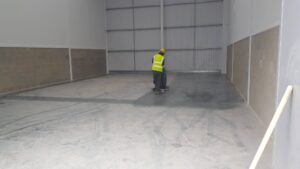

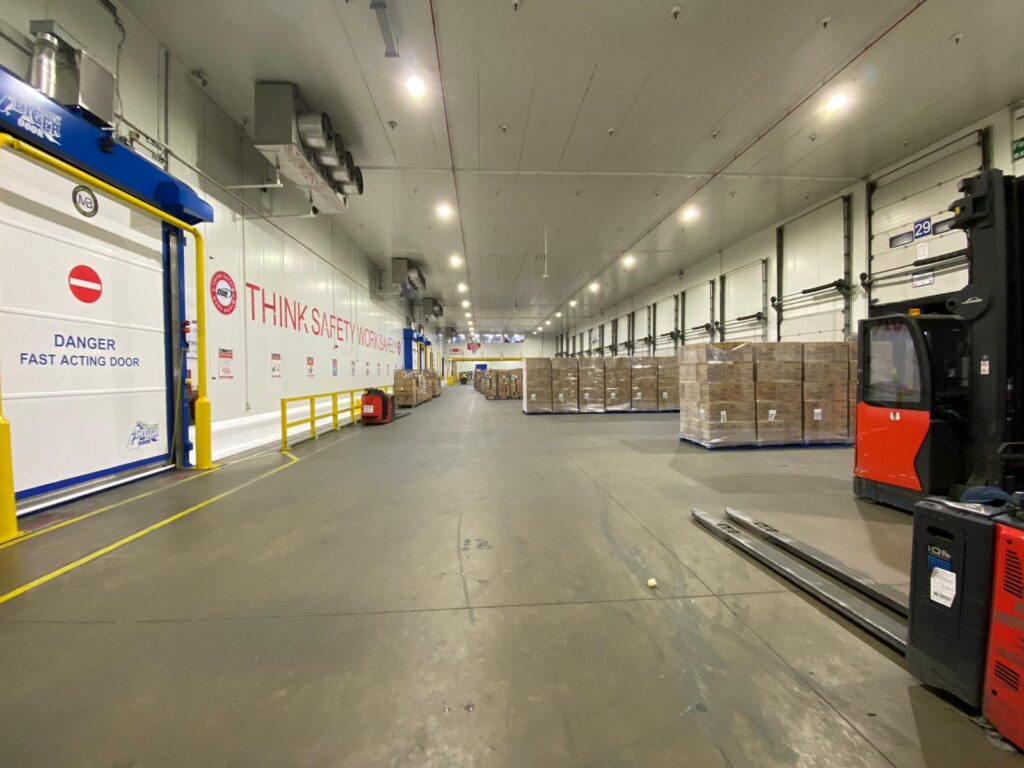
Let’s get straight to the point: a clean floor in a warehouse or logistics hub isn’t about making things look pretty — it’s about keeping your business running smoothly, safely, and legally.
At ACC Commercial Cleaning, we’ve cleaned literally thousands of floors — from fast-paced distribution centres to chilled storage depots. And here’s what we know: when floors aren’t maintained, accidents happen, equipment wears down, teams get frustrated, and your operation starts leaking time and money.
Here’s why a clean floor is a must — and how to stay on top of it.

The Real-World Benefits of Clean Floors (Straight From the Frontline)
You reduce accidents and legal risks.
Slips, trips, skids — they’re not just painful for staff, they’re expensive for businesses. HSE reports show over 30% of workplace injuries are caused by slip and trip hazards, and dirty floors are a key contributor.
You boost productivity.
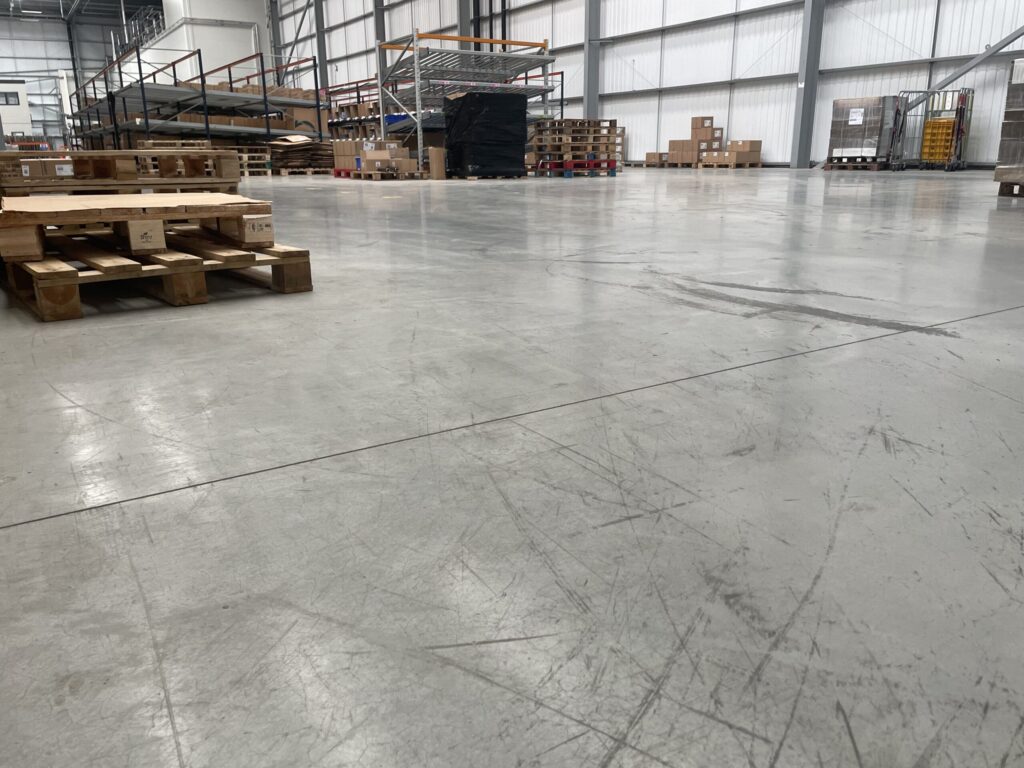
Clean floors = smooth operation. Forklifts, pallet trucks, and automated kit move faster and safer without debris, oil, or grime slowing them down. One study showed sites with regular cleaning saw 23% higher throughput.
You protect your machinery.
Dust, grit and grime don’t just look bad — they wreck bearings, tyres, and conveyor belts. That means downtime and higher repair bills. We’ve seen warehouses reduce maintenance callouts by almost 20% just by sticking to a cleaning schedule.
Your team performs better.
A clean site sets the tone. It tells your staff their environment matters — and it makes it easier for them to do their jobs well. A spotless floor lifts morale and pride in the workplace.
Top Tips to Keep Your Floors in Peak Condition
Here are our go-to practices that we recommend to every logistics manager, facilities lead or H&S officer:
- Start with a Risk Assessment
Identify high-risk zones and create cleaning protocols around them. - Zone Your Site
Separate clean and dirty areas (especially loading bays vs chilled storage) to stop cross-contamination. - Invest in Good Floor Sealants
These prevent dirt buildup and make cleaning far easier and faster. - Automate When You Can
Floor scrubbers and sweepers save hours — and deliver consistency. - Train Everyone, Not Just Cleaning Teams
If your forklift driver sees an oil spill, they should know what to do (or who to call). - Keep Spill Kits Accessible
Make it quick and easy to act fast when a leak or spill happens. - Maintain Drainage
Especially vital where liquid products are stored or moved. - Check Tyres Regularly
Damaged tyres shed debris and cause streaks or wear paths. - Use the Right Chemicals
For food, pharma, or temperature-sensitive sites, chemical choice matters. - Track, Audit, and Improve
Use KPIs to monitor cleaning frequency, incident rates, and performance over time.
What Happens If You Don’t Keep On Top of Floor Cleaning?
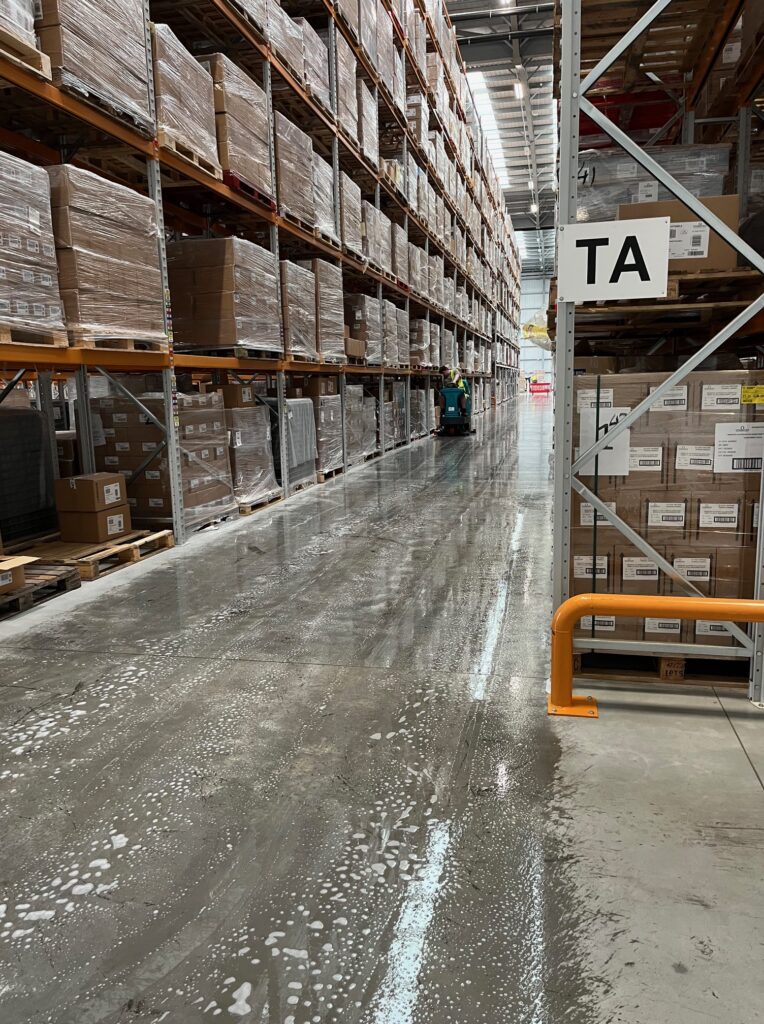
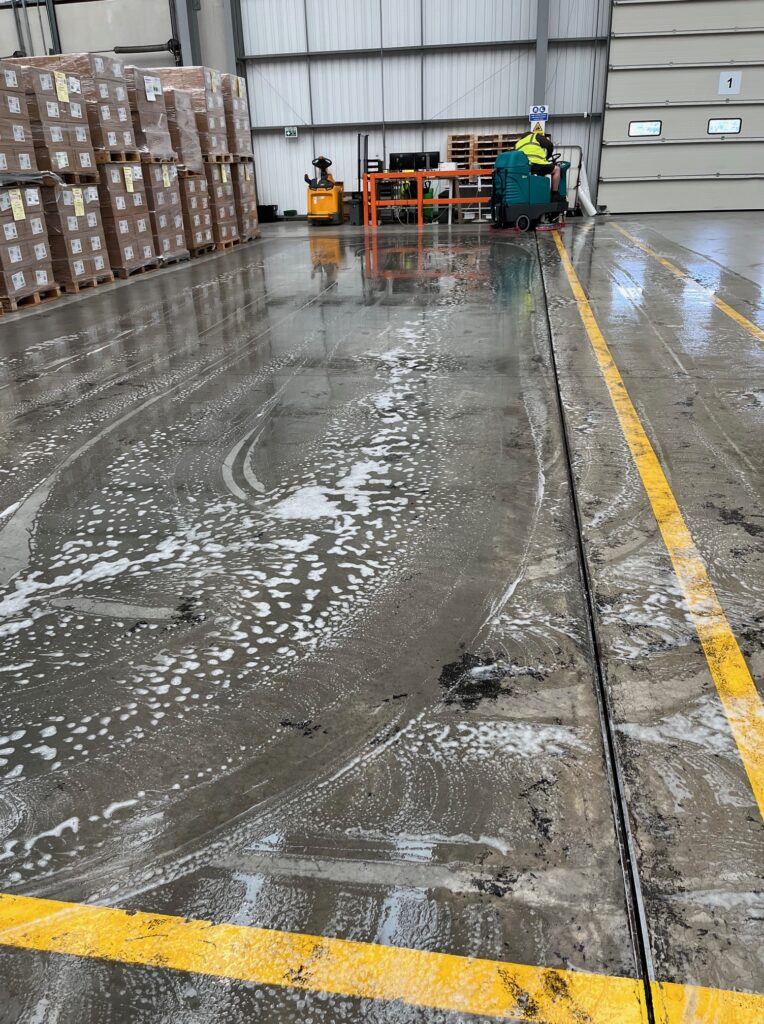
It’s tempting to cut cleaning corners when budgets are tight — but here’s what that really costs:
- Injury Claims & Downtime: Slips or forklift accidents cause lost shifts and legal payouts.
- Equipment Failures: Grit + machinery = repair costs and operational delay.
- Lost Business: Suppliers and clients visiting your site expect professional standards.
- Compliance Breaches: UK laws require you to keep floors safe and hazard-free — failure means potential fines or worse.
UK Laws You Need to Be Aware Of
Just in case you need to justify your budget up the chain, here are the key bits of legislation that mandate floor safety:
- Health and Safety at Work etc. Act 1974
- Workplace (Health, Safety and Welfare) Regulations 1992
- Management of Health and Safety at Work Regulations 1999
- COSHH Regulations 2002 — especially relevant for dust, chemicals or cleaning agents
Where Should You Focus Your Cleaning Efforts?
In every logistics site, some areas need more TLC than others:
- Loading Bays & Docks: High risk for oil leaks, tyre deposits and debris.
- Main Aisles & Picker Paths: Anything on the floor here slows things down — or causes accidents.
- Chill Stores & Freezers: Watch out for condensation, ice buildup and slippery surfaces.
- Automated Equipment Areas: Dust or grime here can disrupt sensors and moving parts.
Final Word
Clean floors don’t just tick the H&S box. They keep your operation moving, your team safe, your kit running, and your customers impressed. In our experience, the sites that take floor care seriously run better businesses — full stop.
If you’re struggling with tyre marks, oil deposits, dust buildup, or just can’t keep on top of the grime — give us a call. We’ll show you how to put a smart, cost-effective cleaning plan in place that protects your people and your performance.